Cabin Kit Airbnb ROI: Can It Really Pay for Itself?
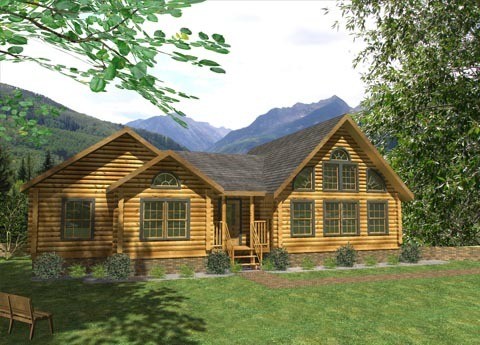
The short answer is yes — a cabin kit on the right land in the right market can realistically pay for itself in 3–5 years. But "can" requires specific conditions, and any investment decision deserves real numbers rather than best-case projections.
This post runs the actual math — investment ranges, revenue by market, occupancy scenarios, and payback period tables — so you can evaluate cabin kit Airbnb ROI with your own land and goals in mind.
Step 1: What Does the Investment Actually Cost?
Total investment is kit price plus everything else to make it livable and bookable. Here are realistic all-in ranges by cabin size for a competently managed DIY build on land you already own:
| Cabin | Kit Price | All-In (excl. land) | Sleeps |
|---|---|---|---|
| Studio Shack | $12,500 | ~$35,000 | 2–4 |
| 1-Bedroom Kit | $26,500 | ~$55,000 | 2–4 |
| 2-Bedroom Kit | $38,500 | ~$75,000 | 4–6 |
| 3-Bedroom Kit | $67,000 | ~$120,000 | 6–8 |
All-in estimates assume DIY shell assembly, contractor-finished interior, standard foundation, off-grid or grid-tied utilities. Add $20,000–$50,000 for land acquisition depending on market.
Step 2: What Can You Earn by Market?
Short-term rental revenue varies significantly by location. Here are average nightly rates for top cabin STR markets — these are real numbers from Airbnb data and STR analytics tools:
| Market | Avg Nightly Rate | Notes |
|---|---|---|
| Great Smoky Mountains, TN | $170–$200/night | Highest-demand cabin market in the US — over 14M annual visitors |
| Blue Ridge Mountains, NC/VA | $150–$190/night | Strong year-round demand; popular fall foliage and winter ski destination |
| Texas Hill Country | $130–$170/night | Growing market; Fredericksburg and Wimberley anchor premium demand |
| Ozarks, AR/MO | $110–$150/night | Affordable land + solid occupancy; Buffalo River corridor performs best |
| Montana / Glacier Country | $160–$220/night | Peak summer season is exceptional; winter occupancy drops significantly |
| Catskills, NY | $200–$280/night | NYC-proximate premium market; strict zoning limits supply |
For this analysis, we'll use $180/night as our base rate — representative of a well-positioned Smokies or Blue Ridge listing on a Studio Shack to 1-Bedroom cabin.
Step 3: The Revenue Math at Three Occupancy Levels
We model three occupancy scenarios: conservative (50%), realistic (65%), and strong (75%). Note that cabins in peak markets regularly hit 70–85% during their season — but annual averages are lower due to shoulder and off-season periods.
Annual Gross Revenue at $180/Night
| Occupancy | Nights/Year | Gross Revenue |
|---|---|---|
| 50% (conservative) | 183 | $32,940 |
| 65% (realistic) | 237 | $42,660 |
| 75% (strong) | 274 | $49,320 |
Annual Net Income After Operating Costs
From gross revenue, subtract operating expenses. Here are the main line items for a typical self-managed cabin STR:
- Airbnb host fee: 3% of gross revenue
- Cleaning fees: ~$75–$100/turnover — typically passed to guests, but factor in vacancy days between bookings
- Maintenance and repairs: ~$200/month ($2,400/year)
- Insurance (short-term rental policy): ~$1,200–$2,400/year depending on value and state
- Utilities (if grid-tied): ~$100–$200/month
- Property taxes: varies by county — budget $500–$2,000/year for rural parcels
For our model: total annual operating costs ≈ $7,500–$10,000 for a well-maintained studio to 1-bedroom cabin managed by the owner.
| Occupancy | Gross Revenue | Operating Costs | Net Income |
|---|---|---|---|
| 50% | $32,940 | ~$8,800 | ~$24,140 |
| 65% | $42,660 | ~$9,300 | ~$33,360 |
| 75% | $49,320 | ~$9,700 | ~$39,620 |
Running a multi-cabin STR property? Ask about commercial packages.
Two or more cabin kits on the same property qualifies for bulk kit pricing and modified engineering. The math gets significantly better at scale.
View Commercial PackagesStep 4: Payback Period by Cabin Size and Occupancy
Payback period = total investment ÷ annual net income. Here's the table for three cabin sizes at three occupancy levels, using the all-in costs from Step 1 and the net income from Step 3:
| Cabin | Investment | 50% Occ. | 65% Occ. | 75% Occ. |
|---|---|---|---|---|
| Studio Shack | ~$35k | 1.5 yrs | 1.1 yrs | 0.9 yrs |
| 1-Bedroom | ~$55k | 2.3 yrs | 1.6 yrs | 1.4 yrs |
| 2-Bedroom | ~$75k | 3.1 yrs | 2.2 yrs | 1.9 yrs |
Payback periods assume $180/night in a strong STR market. Lower-revenue markets extend these timelines proportionally. Does not include land acquisition cost.
These numbers are striking — but they reflect a high-revenue market. In a $120/night market at 50% occupancy, payback extends to 3–5 years for smaller cabins. Still a solid return on a hard asset, but the market selection is critical.
5-Year Equity Calculation
Beyond payback period, the cabin is an appreciating hard asset. Rural recreational land and cabin properties in top STR markets have appreciated 20–40% over the past five years in markets like the Smokies, Blue Ridge, and Texas Hill Country.
Conservative 5-year projection for a 1-Bedroom cabin at 65% occupancy in a strong market:
| Item | Value |
|---|---|
| Initial all-in investment (cabin + land, est.) | $80,000 |
| 5-year cumulative net rental income (65% occ.) | ~$166,800 |
| Estimated property value after 5 years (10% annual appreciation) | ~$129,000 |
| Total 5-year return (income + appreciation) | ~$215,800 |
| Net gain over initial investment | ~$135,800 |
Appreciation rate is speculative. Past appreciation in STR markets does not guarantee future performance. Consult a financial advisor for investment decisions.
Risk Factors to Model Honestly
No investment analysis is complete without the downside scenarios:
Seasonality
Most cabin markets have distinct seasons. The Smokies peak from September through November (fall foliage) and again in summer. Winter occupancy can drop 40–60% for cabins without skiing proximity. Your annual occupancy average reflects these valleys — a cabin that books solid October weekends at $250/night still has January gaps at $90/night.
STR Regulations
Several counties in top STR markets have introduced permit caps, registration fees, or zoning restrictions on short-term rentals. Check your specific county's current STR ordinance before purchasing land for this purpose. Markets that were open in 2022 may have added restrictions since. Tennessee and Texas are generally more permissive; California, New York, and many Colorado mountain towns have tightened significantly.
Management Overhead
Self-managing a cabin STR takes real time — 2–5 hours per week for a single-cabin operation. Property managers charge 15–25% of gross revenue if you hire out, which substantially changes the net income math. Remote owners almost always need a local co-host or manager to handle turnovers and maintenance.
Build Timeline Risk
A cabin that was supposed to start earning revenue in June but doesn't open until November loses an entire peak season. Permitting delays, contractor availability, and inspection backlogs all affect your timeline. Build 3–6 months of buffer into your financial model before first booking.
The Bottom Line: Yes, It Works — If You Choose the Right Market
A cabin kit Airbnb in a strong STR market can pay for itself in under 3 years, generate $25,000–$40,000/year in net income, and appreciate as a hard asset over time. The math genuinely works — but it requires the right market, conservative planning, and honest modeling of the risks.
The cabin kit approach makes this accessible at a lower entry cost than any other permanent structure. A Studio Shack all-in at ~$35,000 is a realistic STR investment for someone with modest capital, not just high-net-worth real estate portfolios.
Ready to model your specific land? Browse our full kit lineup, check financing options to see what monthly payments look like, or explore commercial packages if you're planning multiple units.
Ready to run the numbers on your land?
Studio Shack all-in at ~$35,000. Strong STR markets paying back in under 2 years. Browse kits or explore financing options to see your monthly payment.