Log Cabin Kit vs. Stick Built: Which One Actually Wins?
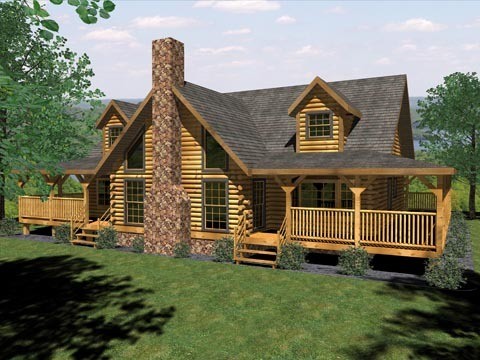
You found the land. You know roughly what you want to build. Now comes the question that stops most people cold: do I buy a log cabin kit, or hire a contractor to build from scratch?
Both can produce a beautiful, lasting cabin. But they're wildly different in cost, timeline, effort, and how much of the process you control. This post gives you a side-by-side comparison across every dimension that matters — so you can make the call with clarity, not guesswork.
Quick Comparison: Cabin Kit vs. Stick Built
| Factor | Cabin Kit | Stick Built |
|---|---|---|
| Cost (2-bed, all-in) | $75,000–$105,000 | $130,000–$180,000 |
| Build time (shell) | 2–3 weeks | 3–6 months |
| Total time to occupancy | 6–12 months | 12–24 months |
| Skill required | Moderate — DIY-friendly with support | High — GC typically required |
| Customization | Multiple floor plan variants + add-ons | Fully custom — anything goes |
| Resale value | Comparable to stick built in most markets | Strong in most markets |
| DIY-friendly | Yes — engineered for it | Difficult without GC experience |
| Permitting ease | Pre-stamped drawings included | Architect plans needed ($3k–$15k) |
Cost: Why Cabin Kits Come In 25–40% Lower
The cost gap between a cabin kit and equivalent stick-built construction isn't a gimmick — it's structural. Here's where the savings come from:
- No contractor markup on materials — you buy direct and own the supply chain
- Pre-cut components eliminate job-site waste and reduce framing labor by 40–60%
- Transparent kit pricing means no change orders or surprise line items mid-build
- Pre-engineered drawings ship with every kit — no architect fees ($3,000–$15,000 saved)
- Assembly can be DIY — the single largest variable cost in any construction project
Stick-built contractors don't charge more because they're better at building — they charge more because they carry risk, coordinate subcontractors, and absorb all the scheduling complexity. When you buy a kit, you take on some of that coordination yourself and keep the savings.
For a 2-bedroom build, that cost difference is typically $50,000–$75,000 in favor of the cabin kit.
See what a kit actually costs
From $12,500 Studio Shacks to $179,000 five-bedroom homes — browse the full lineup with pricing.
Browse All Cabin KitsBuild Time: Days & Weeks vs. Months
Timeline is where cabin kits have their clearest advantage, especially if you're trying to get into the cabin by a specific season or start generating rental income.
- Cabin kit shell (walls up, roof on, doors/windows set): 2–3 weeks for a 2-bedroom with a crew of 4–6
- Equivalent stick-built framing phase: 2–4 months, dependent on contractor scheduling
- Full project to occupancy — cabin kit: 6–12 months (mostly permitting + finishing time)
- Full project to occupancy — stick-built: 12–24 months, often longer in rural areas with limited contractors
For Airbnb investors, that timeline difference can mean an entire year of rental income — the difference between breaking even in year 3 versus year 4.
DIY Factor: What Skill Level Do You Actually Need?
The most common concern we hear from first-time buyers: "I'm not a contractor — can I actually build this?"
For a cabin kit, the honest answer is: yes, with the right crew and preparation. Here's what it realistically takes:
- General mechanical aptitude — if you've done home improvement projects, you have the baseline
- 4–6 helpers for a 2-bedroom; more for larger kits on concentrated build weekends
- Basic tools: drill, circular saw, level, rubber mallet — nothing exotic
- Telehandler or crane rental for setting large beams (strongly recommended for 3+ bedrooms)
- Phone and video support from our team is included throughout the build
Stick-built DIY is a different story. Without pre-cut components, you're making hundreds of individual cut and fit decisions that the kit already resolved. Most people who attempt stick-built DIY end up hiring out the framing phase anyway — at which point you've lost the DIY savings and are still paying for stick-built prices.
Want to see exactly how our assembly process works? The How It's Made page walks through every step.
Customization: Where Each Approach Wins
This is the one area where stick-built has a genuine edge — and we'll be straight about it.
Where Cabin Kits Win on Customization
- Multiple floor plan variants per kit — covered porch, open-plan great room, loft options
- Add-on structures: Bunkhouse, Bathhouse, Sauna kits, Smoke Shack — all engineered to pair with main kits
- Interior finishes are entirely your choice — the kit delivers the shell, you decide everything inside
- Predictable build sequence — no waiting on custom engineering changes
Where Stick-Built Wins on Customization
- Completely unique floor plans — unusual angles, vaulted spaces, non-standard dimensions
- Any structural system or material — timber frame, SIPs, traditional stud, hybrid approaches
- Site-specific accommodations that require custom engineering
For the vast majority of buyers — a weekend retreat, a family vacation cabin, a rental property — kit variants cover everything they actually need. Only buyers with genuinely bespoke design requirements bump up against kit limits.
Resale Value & Permitting: What Buyers Need to Know
Resale Value
Log cabin kits — when properly built, permitted, and finished — appraise and sell comparably to conventionally-built structures of similar size in most rural markets. The "kit" label doesn't discount the value to buyers or appraisers; what matters is construction quality, finishes, and location.
One practical point: unpermitted structures — whether kit or stick-built — significantly harm resale value. Always pull the permit. It protects your investment and makes title transfer clean.
Permitting
Every Fireside kit ships with stamped engineering drawings that most counties accept directly for permit review. This eliminates the $3,000–$15,000 architect fee typically required for a custom stick-built project and cuts several weeks from the review timeline.
Rural counties with looser zoning often expedite kit cabin permits faster than custom builds, because the structure is pre-engineered and reviewers know exactly what they're approving. Always verify requirements with your specific county — but kits have a built-in advantage here.
Who Should Choose a Cabin Kit
A log cabin kit is the right call if you match any of these profiles:
- Hunters, anglers, and outdoor enthusiasts who want a base camp built fast and affordable
- Families looking for a multi-generation vacation retreat without a $300,000 budget
- Rural landowners who want to maximize their land investment with a livable structure
- Airbnb and short-term rental investors who need to control build cost and timeline to hit ROI
- Homesteaders building their first permanent structure on raw land
- Anyone who wants to put their own hands in the build — the satisfaction is real, and so are the savings
Stick-built earns its place for buyers with fully custom design requirements, unusual site geometry, or a need for a structural system that kits don't offer. For everyone else, a kit delivers more cabin per dollar, faster, with a clearer build process.
Need help figuring out financing for either path? Our financing guide covers construction loans, personal loans, and what to expect from lenders for a rural cabin build.
The Bottom Line
For most people building a cabin on raw land in 2026, a log cabin kit is the smarter, faster, and more affordable path. You get a durable, engineered structure at 25–40% less than stick-built cost, on a timeline that's often a year shorter, with the option to do the assembly yourself and keep thousands more in your pocket.
Stick-built wins when your design vision genuinely can't fit within a kit's floor plan options. That's a real scenario — just not the most common one.
If you're still figuring out which kit fits your land, group size, and budget, review financing options so you can compare sizes against a real payment path.
Ready to see what a kit looks like for your project?
Browse all cabin kits or review financing options to compare the right size and payment path for your land.