Cabin Kit vs. Tiny Home: Which One Is Right for You?
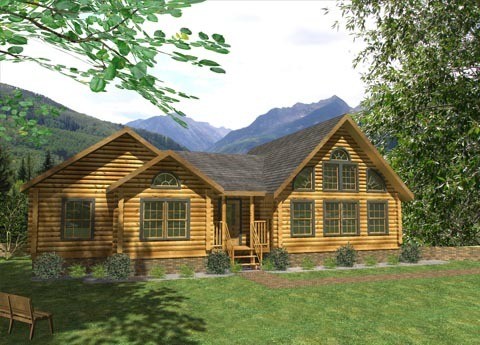
Cabin kits and tiny homes get grouped together because both promise compact living without a traditional house budget. That is where the similarity ends. They attract different buyers, live on different types of land, finance differently, and behave very differently when you think about resale or short-term rental income.
A tiny home is usually a movable or semi-movable small dwelling with tight systems packed into a narrow footprint. A cabin kit is a permanent structure built from pre-cut materials on a foundation. One behaves more like an RV or specialty dwelling. The other behaves more like real property once it is permitted, built, and attached to land.
Cabin Kit vs. Tiny Home: Quick Comparison
| Factor | Cabin Kit | Tiny Home |
|---|---|---|
| Starting price | $8,500 (shack) / $26,500 (1-Bed) | $30,000-$80,000 |
| Foundation | Permanent | On wheels or slab |
| Zoning | Permanent structure | Often restricted |
| Resale value | Appreciates with land | Depreciates like an RV |
| Airbnb potential | High ($130-$280/night) | Moderate ($80-$160/night) |
| Build time | 4-6 months | 3-12 months (custom) |
| Financing | Mortgage/construction loan | RV loan or personal loan |
| DIY-friendly | Yes | Yes (but more systems work) |
When a Tiny Home Wins
A tiny home makes sense when mobility is the point. If you do not own land, need to move the structure later, or want something closer to a parked RV with better finishes, a tiny home can be the better tool. It can also work in urban or suburban situations where a permanent cabin is not possible but an accessory dwelling or movable unit might be allowed.
Tiny homes also reduce maintenance if your goal is extreme simplicity. Less roof, less wall, less floor area, fewer furnishings, and fewer exterior details can be a good thing for a buyer who wants to own less and move often. The downside is that every inch is doing three jobs. Systems work gets dense quickly: electrical, plumbing, HVAC, water storage, composting toilets, propane, batteries, and ventilation all have to fit in a small shell.
Not sure which structure fits your land?
Review financing options to compare the payment path that matches your site, budget, and use case.
Review FinancingWhen a Cabin Kit Wins
A cabin kit wins when you own land and want the structure to become part of that land. That is the main difference. Once a cabin is permitted, placed on a foundation, and connected to utilities or off-grid systems, it can support equity, lending, insurance, and resale in a way most tiny homes do not.
It also wins when you care about the feel of the finished space. A Nordic Spruce cabin has mass, warmth, and a real building envelope. The walls are not thin trailer walls trying to act like a house. Guests feel that difference immediately. Owners feel it in winter mornings, summer storms, and the way the space holds up after repeated weekends of muddy boots, wet jackets, and full cars pulling in at dusk.
The Financing Gap
Financing is where the decision gets very practical. Cabin kits can fit into construction loans and eventually permanent mortgages when the project is built as real property. Lenders still care about plans, permits, appraisals, utilities, and the finished structure, but they understand the category.
Tiny homes are harder. If the home is on wheels, lenders often treat it like an RV. If it is custom-built without a clear certification path, the loan can become a personal loan with a shorter term and higher payment. That does not make tiny homes bad. It just means the monthly payment can be less friendly than the purchase price suggests.
The Airbnb Angle
Both can work as rentals, but they do not photograph or price the same way. Tiny homes had a strong novelty wave. In many markets, that look is now common: white walls, loft bed, kitchenette, ladder, compact bathroom. Guests still book them, but they compare them heavily on price.
A cabin has a more durable rental story. The dark timber exterior, amber-lit interior, porch, fire pit, and wooded setting create the kind of listing people imagine when they search for a weekend away. Cabin aesthetic can command premium nightly rates because it feels like a destination, not just a place to sleep.
Livability: Small Is Not Always Simple
Tiny homes are efficient, but efficiency has a cost. Stairs or ladders to lofts are tiring. Two people moving around each other gets old. Storage is always a negotiation. If you are building for occasional solo use, that may be fine. If you are building for a couple, family, guests, or rental turnover, a permanent cabin layout gives you more margin.
That margin matters over time. A 1-bedroom cabin gives you a real bed, real sitting area, more durable storage, and a building people can stay in without feeling like every movement has to be choreographed. A 2-bedroom cabin gives you true guest flexibility. A tiny home asks people to participate in the smallness. A cabin lets them relax.
If your goal is mobility and minimalism, choose the tiny home. If your goal is land value, rental income, long-term use, or a permanent place your family can return to, the cabin kit is usually the stronger choice. Start with the full Fireside kit lineup, then review financing options before you compare monthly payments.
Ready to compare real cabin options?
Browse kits, take the quiz, or review financing before you choose between compact and permanent.